
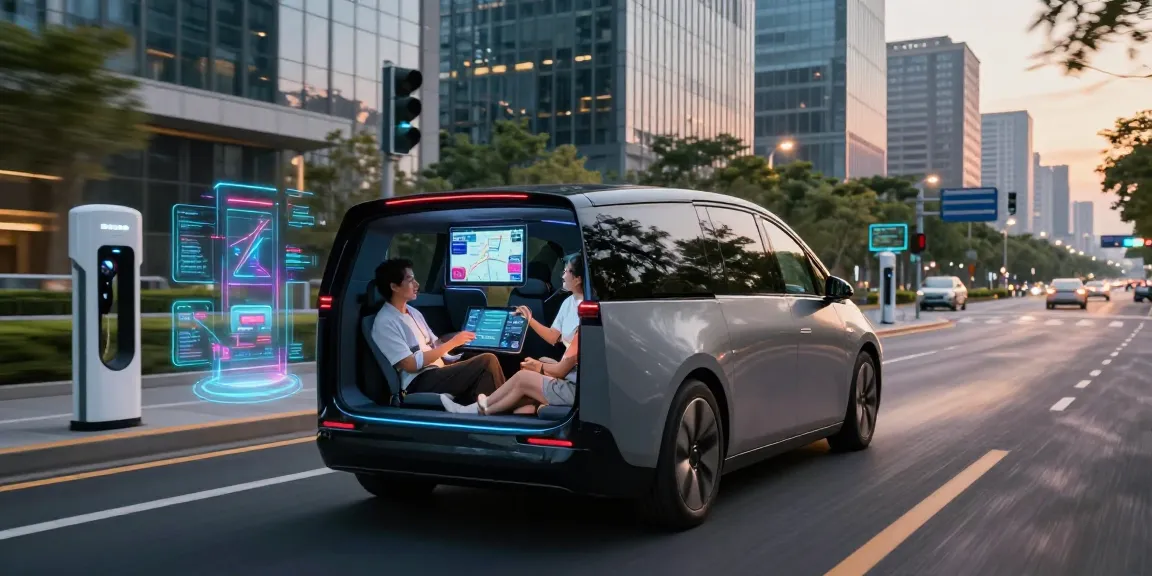
Understanding Autonomous Driving Technology
As we navigate toward a future dominated by technology, the concept of autonomous driving has emerged as a game-changer in the automotive industry. Autonomous vehicles, often referred to as self-driving cars, have not only captured public interest but also spurred intense research and development efforts across manufacturers and technology companies. In this article, we will delve into the intricacies of autonomous driving, exploring what it entails, how it operates, and the pivotal technologies that continue to shape its evolution. When exploring options, autonomous driving provides comprehensive insights into the state of the industry and innovations on the horizon.
What is Autonomous Driving?
Autonomous driving refers to the ability of a vehicle to navigate and operate without human intervention. This technology encompasses a spectrum of capabilities, ranging from basic driver assistance systems to fully autonomous vehicles capable of operating safely in complex environments. Autonomous driving systems aim to enhance road safety, reduce traffic congestion, and provide accessible transportation options for all users, including the elderly and disabled.
How Does Autonomous Driving Work?
The operation of autonomous vehicles hinges on a combination of advanced technologies. At its core, an autonomous vehicle utilizes sophisticated algorithms and machine learning techniques to interpret data collected from various sensors. These sensors include cameras, radar, and lidar, which provide a thorough understanding of the vehicle’s surroundings. The data is then processed in real time to make driving decisions, such as navigating intersections, changing lanes, and avoiding obstacles.
The Evolution of Self-Driving Cars
The journey of autonomous driving began with the development of basic cruise control systems in the 1950s. Over the decades, advancements in computing power and sensor technology have propelled the evolution of self-driving cars. In the 21st century, significant milestones have included Google’s Waymo project and Tesla’s Autopilot system, which, while not fully autonomous, have paved the way for extensive testing and consumer acceptance of automated driving technologies.
Key Technologies Shaping Autonomous Vehicles
Artificial Intelligence and Machine Learning
At the heart of autonomous driving is artificial intelligence (AI), particularly machine learning. These technologies enable vehicles to learn from vast amounts of data, improving their decision-making capabilities over time. Machine learning algorithms analyze patterns from driving data, assisting vehicles in recognizing objects, understanding traffic signals, and predicting the behavior of pedestrians and other drivers.
Sensor Technologies in Self-Driving Cars
Autonomous vehicles rely on a suite of sensors that provide critical information about their environment. Cameras capture visual data, while lidar and radar deliver depth perception and obstacle detection capabilities. The integration of these sensors allows for 360-degree awareness, enabling the vehicle to make informed decisions based on real-time assessments of its surroundings.
Data Collection and Real-Time Processing
Data collection is a crucial aspect of autonomous driving. Vehicles generate and consume massive amounts of data, which is analyzed to ensure safe navigation. Real-time processing capabilities are essential to translate sensor data into actionable insights, allowing for immediate decision-making. This continuous loop of data collection and processing is what enables vehicles to react swiftly to changing conditions on the road.
Safety and Regulatory Frameworks
Current Regulations Governing Autonomous Driving
The regulatory landscape for autonomous vehicles is rapidly evolving, with authorities around the world developing frameworks to ensure the safe deployment of this technology. Organizations like the National Highway Traffic Safety Administration (NHTSA) in the United States are crucial in setting standards for testing and operation, addressing safety concerns, and establishing guidelines for manufacturers.
Safety Standards and Testing Protocols
To gain regulatory approval, autonomous vehicles must meet stringent safety standards. Testing protocols typically involve extensive simulations and real-world testing to validate algorithms and sensor capabilities. Manufacturers often collaborate with regulatory bodies to create robust validation processes that ensure reliability and safety in diverse driving scenarios.
Challenges in Regulation and Compliance
Despite advancements in regulations, challenges remain in the harmonization of laws across jurisdictions. Different countries have varying standards for testing and deploying autonomous vehicles, which can create complexity for manufacturers. Additionally, public perception and trust in autonomous technology pose further hurdles that must be addressed as the industry matures.
Real-World Applications of Autonomous Vehicles
Autonomous Vehicles in Public Transportation
Autonomous vehicles are beginning to find applications in public transportation systems, providing a flexible and efficient solution for urban mobility. Many cities are piloting autonomous shuttles, offering on-demand transport services that supplement traditional public transit systems. These initiatives not only aim to enhance accessibility but also seek to reduce traffic congestion in densely populated areas.
Case Studies from Leading Manufacturers
Leading automotive manufacturers and tech companies are at the forefront of developing autonomous technologies. For instance, Waymo has been conducting extensive autonomous taxi services in select cities, demonstrating the viability of self-driving ridesharing. Similarly, Tesla’s Full Self-Driving (FSD) Beta program allows select users to experience the evolution of autonomous features progressively, providing valuable real-world data to enhance safety and performance.
Impact on Urban Mobility and Traffic Management
The integration of autonomous vehicles into urban infrastructure has the potential to transform traffic management. With the ability to communicate with traffic lights and other vehicles, self-driving cars can contribute to smoother traffic flow and reduced congestion. For example, coordinated vehicle movements can optimize traffic signal timings, thus minimizing idle times and lowering emissions.
The Future of Autonomous Driving
Trends to Watch in 2026 and Beyond
Looking ahead, several trends are expected to shape the future of autonomous driving. One significant trend is the increasing collaboration between automotive manufacturers and tech firms, leading to enhanced AI capabilities and more sophisticated vehicles. Furthermore, as consumer acceptance grows, we may see more cities adopting autonomous transportation solutions as part of their public transit systems.
Consumer Acceptance and Market Growth
As autonomous driving technologies continue to improve, consumer acceptance is crucial for market growth. Education and transparency about the capabilities and safety of self-driving cars will play a vital role in gaining public trust. Surveys indicate that while interest in autonomous vehicles is high, concerns about safety and technology reliability remain prevalent among potential users.
Technological Innovations on the Horizon
The landscape of autonomous driving is ripe for innovation, with areas such as vehicle-to-everything (V2X) communication poised to revolutionize how vehicles interact with their environment. This technology can enable vehicles to communicate with traffic systems, pedestrians, and even other vehicles, further enhancing safety and operational efficiency.
What is the timeline for full autonomy?
Achieving fully autonomous driving remains a complex challenge, with timelines for widespread adoption varying among experts. While some optimistic forecasts suggest that fully autonomous vehicles may be common on roads by the late 2030s, others urge a more cautious approach, emphasizing the need for robust regulatory frameworks and public acceptance before this technology becomes mainstream.